Your Mouse Isn't the Problem: Deconstructing the Pro-Settings Placebo
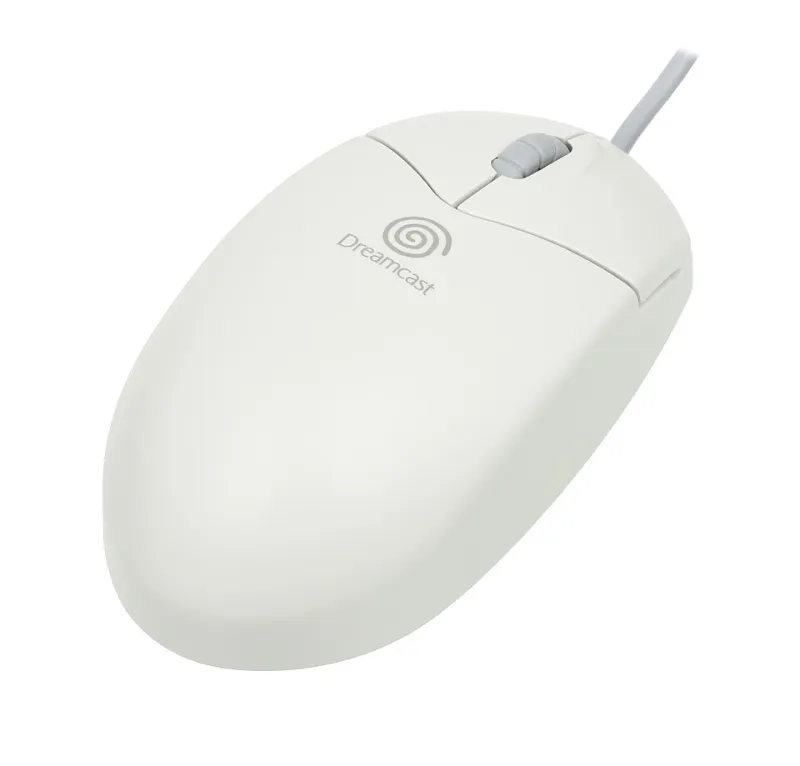
Photo: Evan-Amos, Public domain, via Wikimedia Commons
The $300 Delusion
Nobody in gaming gets marketed to harder than a player who just lost four in a row. The algorithm knows. One more mouse, one more pad, one more monitor with a number on the box, and the version of you that hits your shots will finally log on.
It won't. Not because gear is meaningless, but because the specific gear being sold to you is almost never the variable that's losing your duels.
The Pro-Settings Industrial Complex
Start with the obvious thing nobody says out loud: professional players are sponsored. Their settings are not the result of a controlled experiment — they're the result of a contract, a habit formed at sixteen, and a desk that happens to have a certain logo on it. When a pro says 'this mouse changed my game,' they may genuinely believe it. They're also being paid to say it.
Then there's the affiliate economy, which is where most of the recommendations you actually consume come from. A creator linking a $30 mouse earns a dollar or two. The same creator linking a $150 mouse earns fifteen. That doesn't make them liars, but it does mean the recommendation has a shape, and the shape points toward margin.
The specs get chosen for the same reason. Sensor model names, DPI numbers, and polling rates are perfect marketing material because they're impressive, unverifiable in a vacuum, and completely disconnected from the thing that's actually holding you back — which is that you pre-aim at chest height and panic-spray.
What Actually Matters, By Rank
Below Diamond, essentially nothing in the peripheral category matters. Modern optical sensors crossed the 'flawless' line years ago. A $25 mouse from 2019 tracks better than any human hand can exploit. Your aim losses come from crosshair placement, decision speed, and the fact that you're taking fights you shouldn't be in.
Diamond to high elo, shape and stability start to count. Not sensor quality — shape. A mouse that fits your grip and doesn't cramp your hand over a four-hour session beats a lighter, fancier one that doesn't. This is why pro settings are useless to copy: their hands aren't your hands.
The genuinely large hardware jumps are few. Going from 60Hz to 144Hz is the single biggest upgrade available to a competitive player, full stop. 144 to 240 is real but much smaller, and it only pays off if your reaction time and crosshair discipline are already sharp. Everything past that is diminishing returns dressed up as a revolution.
Frame stability beats frame rate. Stutters and bad 1% lows cost more duels than any sensor upgrade ever will. Cap your frames below your average, close the twelve Chrome tabs, run wired. That's free and it's worth more than the mouse.
Network beats hardware. Jitter and packet loss ruin more fights than ping does. Ethernet cable, no Wi-Fi, no downloads during queue.
The Specs That Are Pure Theater
- DPI. 400 versus 1600 is a sensitivity preference, not a performance tier. Pick one, convert your sens, stop thinking about it.
- 8K polling. A real but tiny benefit, with a real CPU cost. Not a rank-changer.
- 'Esports-grade.' A phrase with no definition and a markup attached to it.
- Weight. Sub-50 grams is nice if your grip likes it. It is not a skill substitute.
- RGB. You know what it does.
The Cheap Wins That Actually Move Your Aim
Here's the part that stings: most of the measurable improvement available to you costs nothing.
Lock your sensitivity for thirty days. Every sens swap resets muscle memory and feels productive while doing nothing.
Warm up with intent, fifteen minutes. Not an hour of mindless flicking — a short block on the specific thing you're bad at.
Clean your mousepad. Oils and dust change glide inconsistently, and inconsistency is worse than any static spec.
Fix your desk geometry. Monitor at eye level, elbow at roughly 90 degrees, enough space to arm-aim rather than wrist-flick. This is ergonomics, not gear.
Review the duels you lost. Ten minutes of VOD. You will find the same three mistakes every time, and none of them are hardware.
Sleep and caffeine timing. Boring, undefeated.
The $300 Question
If you have $300 and a $40 mouse and a 60Hz panel, here's the order that actually returns value: monitor first, mousepad second, mouse shape third, everything else last. If your setup already clears those bars, you're not $300 away from a rank. You're a habits problem wearing a shopping list.
The Placebo, Honestly
New gear makes you pay attention. Paying attention makes you aim better for two weeks. Then the honeymoon ends, the old habits return, and your rank settles back exactly where it was — except now you're $300 lighter and convinced the next purchase will be the one.
That's the placebo. The gear didn't fix your aim. The focus did. The trick is keeping the focus without the receipt. Pros win on fundamentals and treat the hardware as the last two percent — which is exactly why they'll sell you the hardware and keep the fundamentals.